📚 FlipDecide Learn
The Science of Chance
Deep dives into randomness, probability, and decision-making — written for curious humans, not statisticians.

Science & Math
The Science of Randomness: Why True Randomness Is Harder Than You Think
From quantum noise to pseudorandom algorithms, explore what it really means for something to be random — and why computers can't truly achieve it.
Psychology
The Gambler's Fallacy: Why Your Brain Is Wired to See Patterns That Aren't There
After ten heads in a row, tails feels overdue. It isn't. Discover the cognitive bias that fools even intelligent people and costs real money.
Productivity
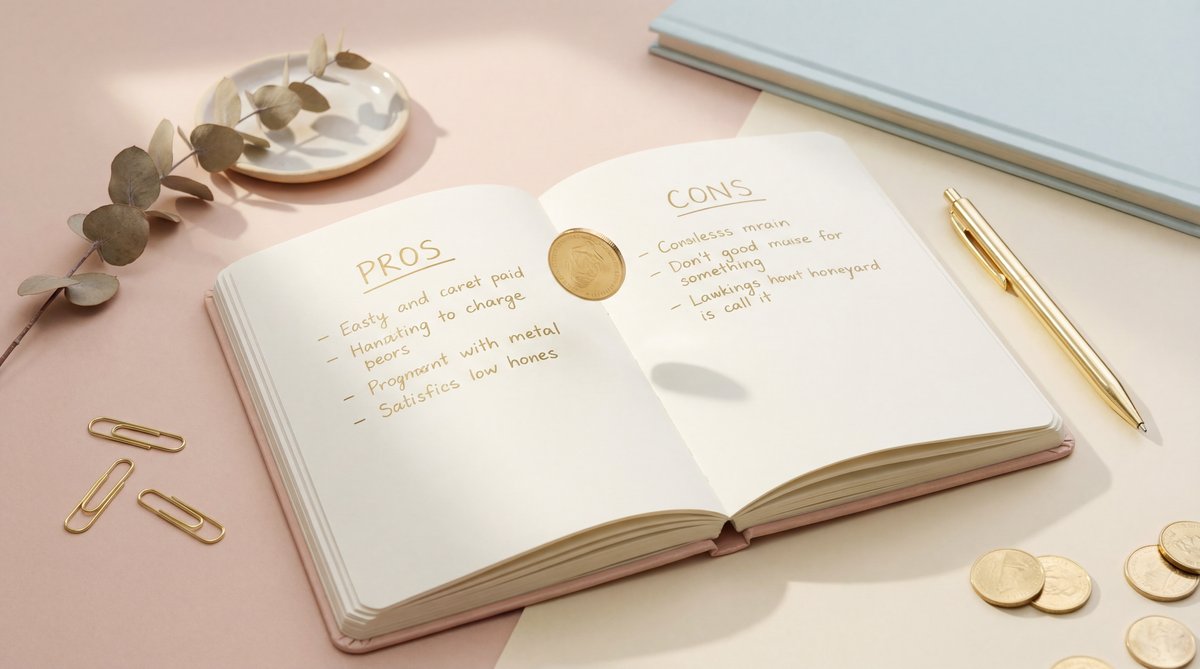
How to Use Randomness to Make Better Decisions (Seriously)
Coin flips, random sampling, and decision wheels aren't just for games — researchers and executives use them to break deadlocks and fight bias.
Statistics
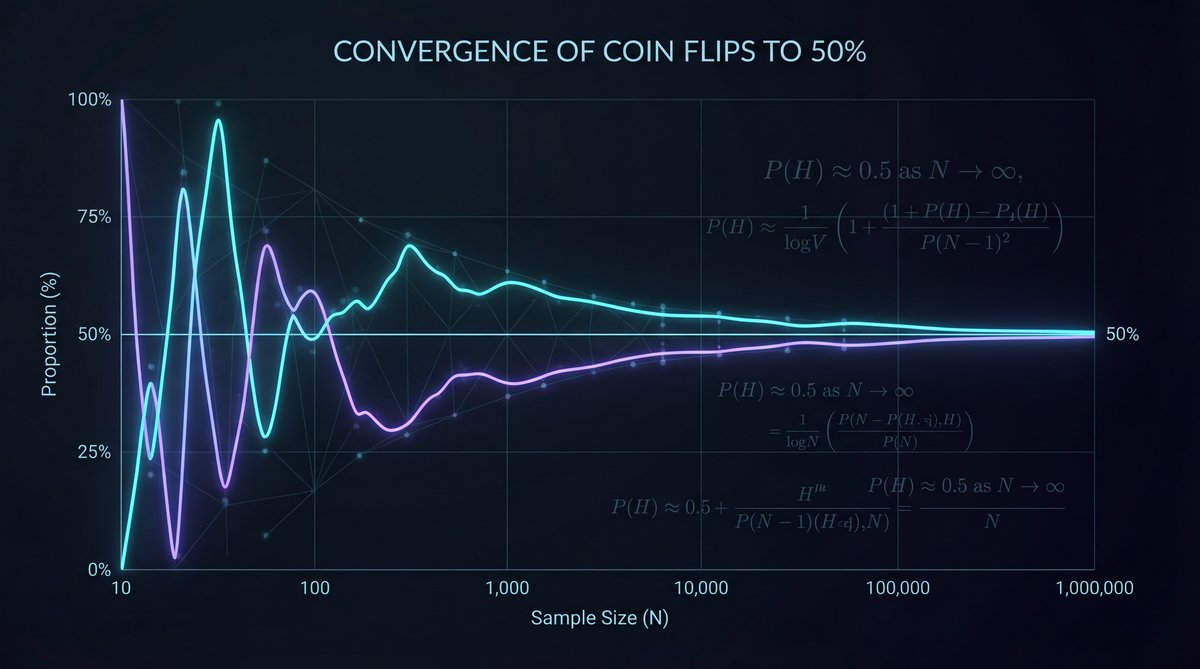
The Law of Large Numbers: Why Everything Averages Out Eventually
One coin flip proves nothing. A million do. Understand the mathematical law that underpins insurance, polling, and the entire gambling industry.

Design
Color Psychology: How Colors Influence Mood, Trust, and Buying Decisions
Why is Facebook blue? Why do fast food chains use red and yellow? The science of color psychology reveals how hue shapes every human interaction with a brand.

History
A Brief History of Dice and Probability: From Knucklebones to Algorithms
Humans have been rolling dice for over 5,000 years. Trace the journey from ancient ritual objects to the birth of probability theory and modern statistics.
Philosophy
Is Luck Real? What Science, Philosophy, and Probability Actually Say
Philosophers, psychologists, and statisticians all have different answers. Explore what luck actually is — and whether you can engineer more of it.

History
The History of Playing Cards: From Tang Dynasty China to Bicycle Decks
Playing cards have traveled from 9th-century China through medieval Europe to your kitchen table. Here's the 1,200-year story of how 52 pieces of paper conquered the world.
Psychology
Why Humans Are Terrible at Being Random (And What to Do About It)
Ask someone to write 100 random coin flips — their brain will sabotage itself every time. From iPod shuffle to password security, here's the science of our randomness failures.